
Artificial intelligence is transforming the way companies work, make decisions, and interact with their customers. In the world of events, its impact is also increasingly visible: process automation, real-time data analysis, content generation, virtual assistants, and personalized experiences for attendees. However, amidst the enthusiasm for adopting new technologies, it's important to remember something fundamental: not everything should be done with artificial intelligence.
The key is not to replace the human element, but to enhance it. When technology is used correctly, the result can be extraordinary. This approach is increasingly known as extended intelligence: the combination of human talent with the capability of artificial intelligence.
But when used indiscriminately, even with good intentions, it can have the opposite effect.

A real example: when AI broke the connection with the audience
Recently, I attended an event where something happened that perfectly illustrates this dilemma about the use of artificial intelligence.
The event featured a large hall, a great presenter, and a professional voice capable of bringing emotion, rhythm, and stage presence. However, the organizers decided to innovate by using a voice generated by artificial intelligence to deliver the information for each recognized individual or winner.
The idea seemed interesting: to showcase technology and modernity. But the result was a failure.
Did not pass the Turing Test
To understand part of the problem, it is worth mentioning the Turing Test. Proposed by mathematician Alan Turing in 1950, this test seeks to determine whether a machine can behave in such a way that it is indistinguishable from a human during an interaction.
In simple terms:
A person interacts with a human and with a machine.
If they cannot identify which is which,
then the machine has passed the Turing Test.
In the event, exactly the opposite occurred. From the very first moment, the audience perceived that the voice was artificial. Although the technology imitated human intonation, it lacked something fundamental: naturalness, emotion, and stage presence.
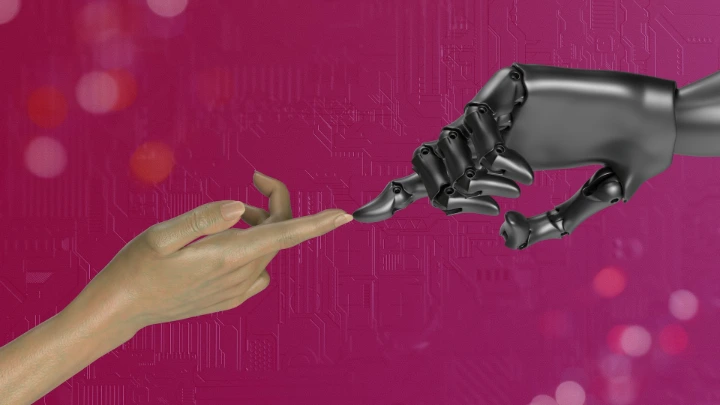
The result was a cold and inauthentic experience.
The audience disconnected
In an event, every detail contributes to keeping the audience's attention. When introducing a guest, an award winner, or a sponsor, the way their story is told is key.
The voice generated by AI produced the opposite effect:
- the audience stopped paying attention
- the information about each person lost impact
- the rhythm of the event was broken
- a disconnection was created between the stage and the audience
What was supposed to be a moment of recognition turned into a mechanical transition.
This example demonstrates that technological innovation must serve the human experience, not replace it.
Extended intelligence: humans and technology working together
This is where the concept of extended intelligence comes in. Extended intelligence proposes that technology does not replace human intelligence, but rather amplifies it. It is the collaboration between people and intelligent systems to achieve better outcomes.
When this approach is applied correctly in events and businesses, the outcome is often extraordinary.
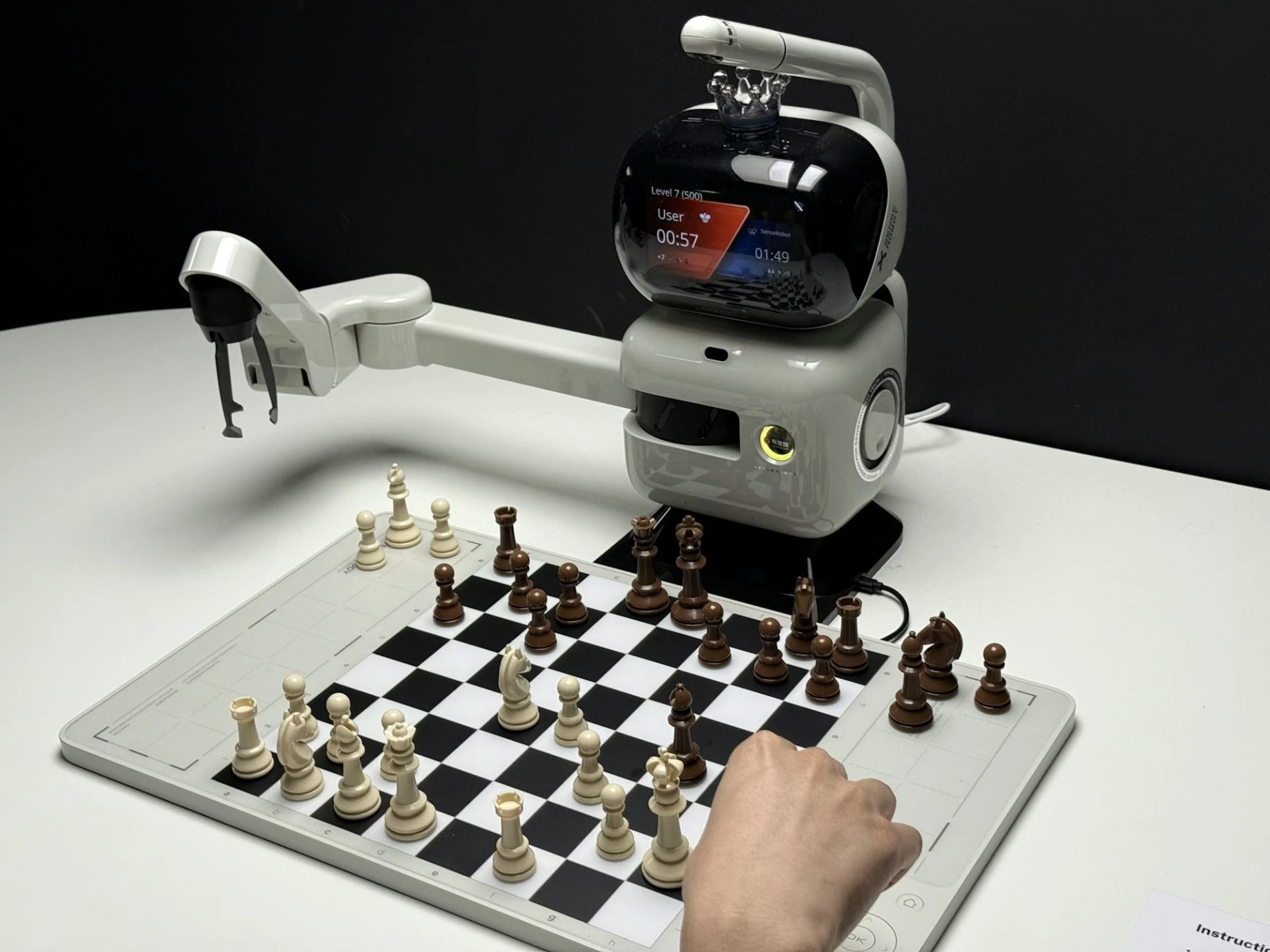
Instead of thinking "How can AI do this on its own?", the right question is: "How can AI help people do it better?"
Successful examples of the use of AI in events
There are multiple ways in which artificial intelligence can provide real value in the organization and development of events.
1. Personalization of the assistant experience
AI can analyze data from attendees —interests, participation history, or behavior during the event— to provide personalized recommendations.
For example:
- suggest relevant talks
- recommend networking with like-minded people
- propose activities within the event
This significantly improves the participant's experience.
2. Chatbots and virtual assistants for events
AI-powered virtual assistants can answer frequently asked questions from attendees before, during, and after the event. Some of their functions include:
- information about the agenda
- room location
- schedule changes
- logistical support
This reduces the burden on the organizing team and improves customer service.
3. Real-time data analysis
Artificial intelligence can analyze what is happening during the event:
- levels of participation
- social media interaction
- attendance at sessions
- audience feedback
With this data, the organizers can make quick decisions to improve the experience.
4. Content generation and summaries
AI can also help generate:
- automatic summaries of conferences
- transcripts of talks
- content for social media
- post-event reports
This allows for expanding the event's impact and reusing the content.
5. Intelligent matchmaking for networking
One of the most interesting functions of AI at events is to facilitate connections between attendees.
Recommendation algorithms can suggest meetings between people with compatible interests, projects, or profiles, increasing the value of networking.
Humanity remains irreplaceable
Despite all these possibilities, there are elements of the event that remain profoundly human:
- the storytelling
- the emotion in the voice
- stage presence
- improvisation
- the connection with the audience
A presenter, a speaker, or a professional voice brings something that technology still cannot fully replicate: the authenticity of the human experience.
The true innovation
The true innovation does not consist of using artificial intelligence everywhere.
It consists of knowing where it adds value and where it does not.
When creativity, emotion, and human experience are combined with the analytical and technological capabilities of AI, something much more powerful is achieved: extended intelligence.
And at that point, when humans and technology work together, the result is often extraordinary.
Because in an increasingly automated world, what truly makes a difference is still the same as always: the human connection.
At Hispanet de HIBN, we work alongside entrepreneurs and business leaders to strategically apply artificial intelligence, always seeking a clear objective: to achieve extended intelligence. We believe that true transformation occurs when technology enhances human talent, not when it tries to replace it. That’s why we help organizations integrate AI into their business processes, combining it with management tools that enable better decision-making, optimize operations, and generate greater value for their customers.
💬 Ready to transform and implement AI in your business?
Let's talk about your processes and design a plan tailored to you.